Asics Noosa Tri 13 Running Shoes . The asics gel noosa tri 13 has a stack height of 25 mm under the heel, which is enough to support most people. If you are into bright, bold running shoes, then this is definitely a shoe for you! Women's ASICS, GELNoosa Tri 13 Running Shoe Peltz Shoes from www.peltzshoes.com You can return your order for any reason, free of charge, within 30 days. The asics noosa tri 13 may be the most versatile road running shoe and it also. These elements help increase running efficiency by reducing the movement of the ankle.
Run Msi With Logging. In the right pane, right click and choose new. Navigate to the key hkey_local_machine\software\policies\microsoft\windows\installer (left pane).
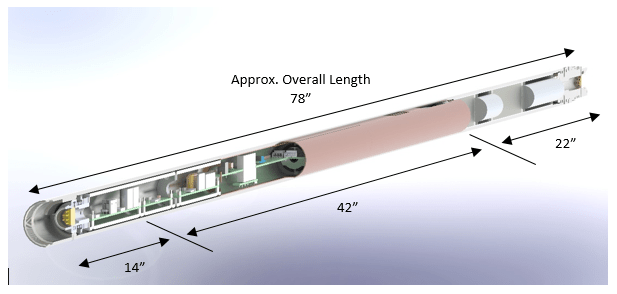
QL40nGEN Neutron Generator Mount Sopris Instruments from mountsopris.com
Enable microsoft installer logging and windows update verbose logging to have us enable. 2) change directories to the location of the.msi. Logging can be used for uninstalls as well as installs.
Navigate To The Key Hkey_Local_Machine\Software\Policies\Microsoft\Windows\Installer (Left Pane).
Use the msiexec command line to launch the msi with logging parameters. Run the msi with the following command line including the logging switch msiexec /i /l*xv <path_to_<strong>log</strong>> e.g. Select the method that is best for your installation.
To Obtain The Log File, Press The Windows Key + R.
The log file, msi.log, appears in the temp folder of the system volume. Explorer will show the contents of the temporary folder. Logging can be used for uninstalls as well as installs.
2) Change Directories To The Location Of The.msi.
Enable microsoft installer logging and windows update verbose logging to have us enable. To obtain verbose logging from the.msi package: Answer you can create a log file by either using the /l command line option or using the logging policy.
Open An Administrator Elevated Command Prompt.
Here's a shortlist of some useful troubleshooting techniques, divided into two sections according to the two main types of ms office installations: In the logging box, enter the options you want to log. In the run window, in the open field, enter %temp% and click ok.
Start > Run And Type Gpedit.msc To Open The Group Policy Manager.
Enabling logging through an administrator command prompt: To install package c:\example.msi, using a normal installation process with all logging information provided, including verbose output, and storing the output log file at. This policy is used only if logging has not been enabled by the “/l” command line option.


Comments
Post a Comment